

Brain injuries are known as a “silent injury;” the closed head-traumatic brain injury. These injuries are known as “silent” as they often go undiagnosed and untreated. In spite of this, the brain injury can be the most traumatic harm an individual and family can suffer.
Head Injuries are difficult to spot, difficult to treat, and difficult to litigate through a lawsuit.
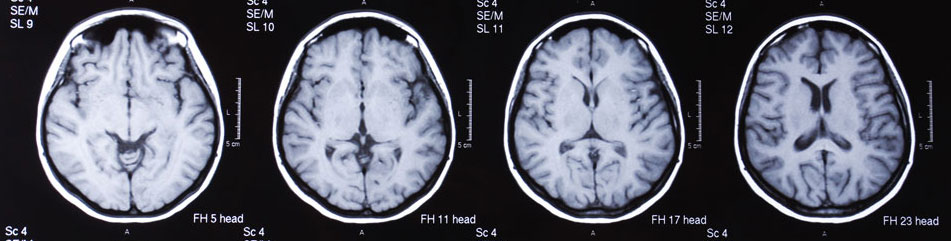
The Causes of Brain Injury
The traumatic head injury is a result of “acceleration” or a sudden movement of the head, in relationship to the skull and body surrounding it. Your brain has a certain weight to it. It is connected to the rest of your body through soft tissues, not bone. When you have a fall or auto accident or other traumatic event, your body moves at a sudden speed that it is not designed to withstand. This causes the brain inside your skull to jostle around. Sometimes this rips part of the brain loose. Other times, there is loss of blood. There are also physical damages that can occur from the rattling.
Brain injuries can result for the following factors:
- Brain cell damage from the point of impact
- Brain cell damage from impact of the brain with the skull
- Tearing of brain cell structures and connective tissue due to the rotation and spin from the accident
- Explosive concussion force damaging the brain
- An object physically touching and harming brain cells such as a penetration injury.
- Bleeding within the brain
- Swelling within the brain
- Blood clots from the destruction of oxygen supply to the brain
What are the Accident Causes of Brain Injury?
Any accident where you have a sudden movement of your body and head can cause brain injury. It does not have to be a catastrophic event.
Each individual has its own characteristics and like back injury cases, brain injury cases can occur in many ways. The most common flavors are as follows:
- Auto accidents
- Violent assaults
- Playing sports
- Slips and falls
- Explosions
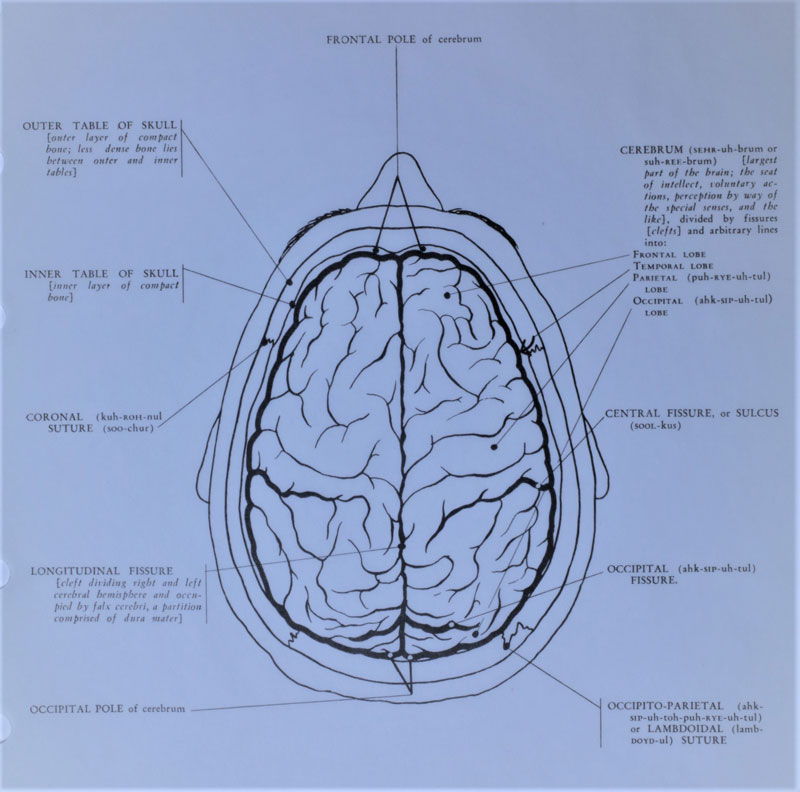
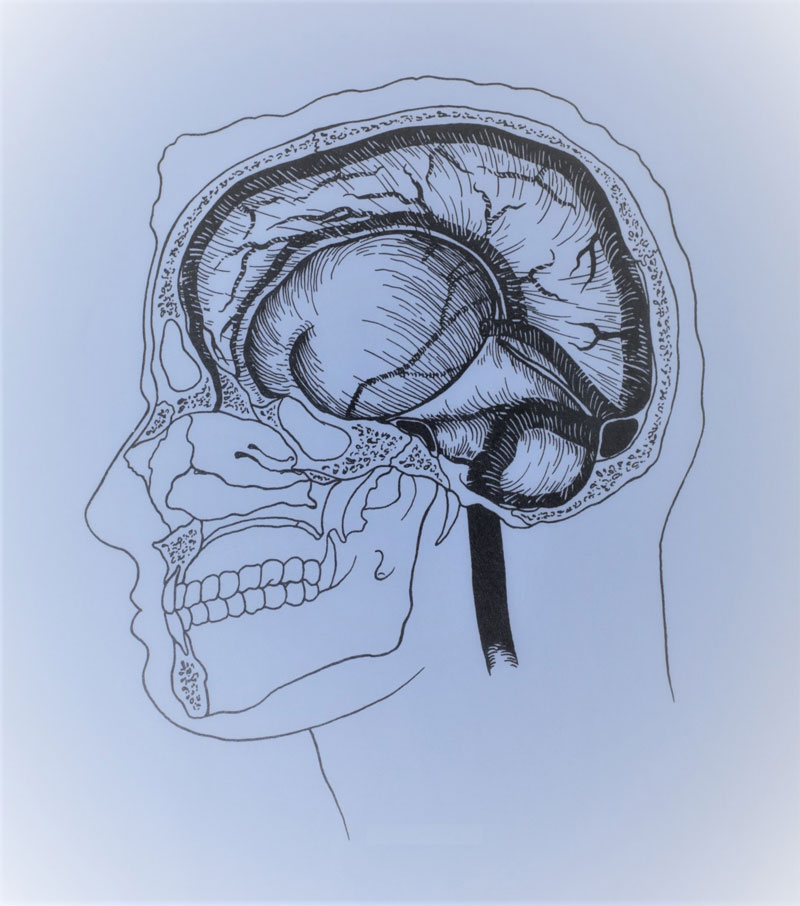
How to Spot a Brain Injury
Severe traumatic brain injuries are not easy to spot. It is frequently the case from an auto accident, slip and fall, or other trauma that the brain injury takes a while to develop and is settled in its diagnosis and severe in its effect on the victim’s life.
Look for the following symptoms:
- Physical weakness
- Physical paralysis or numbness
- Lack of coordination and balance
- Double vision
- Blurred vision
- Field cuts in vision
- Inattention to one side of the space while looking
- Difficulty in tracking or focusing on objects
- Altered visual perception
- Ringing in the ears (tinnitus)
- Sudden difficulty in hearing
- Onset of difficulty swallowing
- Dizziness or nausea
- Sudden onset of headaches
- Sudden onset of neck pain
- Light sensitivity
- Noise sensitivity
- Sudden fatigue
- Sleeping problems
- Sudden susceptibility to fall
- Loss of smell
- Loss of tasting
- Seizures
There are also emotional and behavioral changes to look for. These include the following:
- Sudden mood swings
- Uncharacteristic irritability
- Sudden onset of depression
- Sudden onset of restlessness or agitation
- Passiveness uncharacteristic of normal behavior
- Sudden lack of motivation
- Depression
- Lack of impulse control
- Outbursts of anger
- Sudden onset of frustration and overloading
- Loss of control over emotional state
- Hyper-sexuality (promiscuousness)
- Hypo-sexuality (loss of sexual desire)
- Confusion
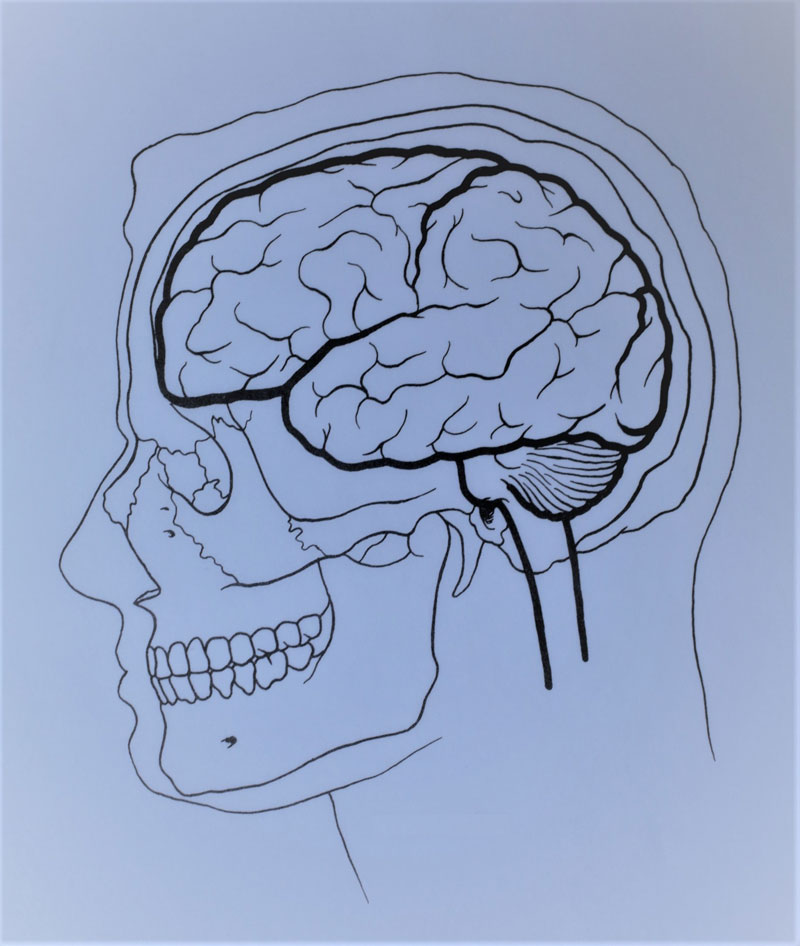
The memory is also a diagnostic impairment common with brain injuries. Look for the following cognition and communication issues:
- Loss of long term memory
- Inflexibility in attitude
- Inability to concentrate
- Inability to multi-task
- Inability to perform mathematics
- Preservation (getting stuck doing a particular task over and over)
- Difficulty staying on topic or task
- Impaired problem solving
- Difficulty doing things in order
- Lack of organization
How common are brain injuries?
Over 1,700,000 traumatic brain injuries occur in the United States each year. Approximately 30% of all accident injury deaths are combined with a brain injury.
Between 3,200,000 people and 5,300,000 people (1.7% of the total U.S. population) live with disabilities resulting from traumatic brain injury accidents. It is believed that this is an underestimate as the diagnosis of brain injuries is difficult and underreports the numbers. Brain injuries are a large problem in the United States.
Common Ages of Brain Injury Victims
There is a pattern in the ages of people who are most likely to get a brain injury. They are:
- Adolescents aged 15 through 19 years
- Elderly aged 65 and older
Gender and Brain Injury
Men are much more likely to suffer a brain injury.
If you have an acquaintance, or have personally suffered a brain injury, contact our office today. and talk to an experience Kansas City brain injury lawyer. It is critical to get early diagnosis and help as paid by full compensation for your injury.
Read this if you have a fractured skull